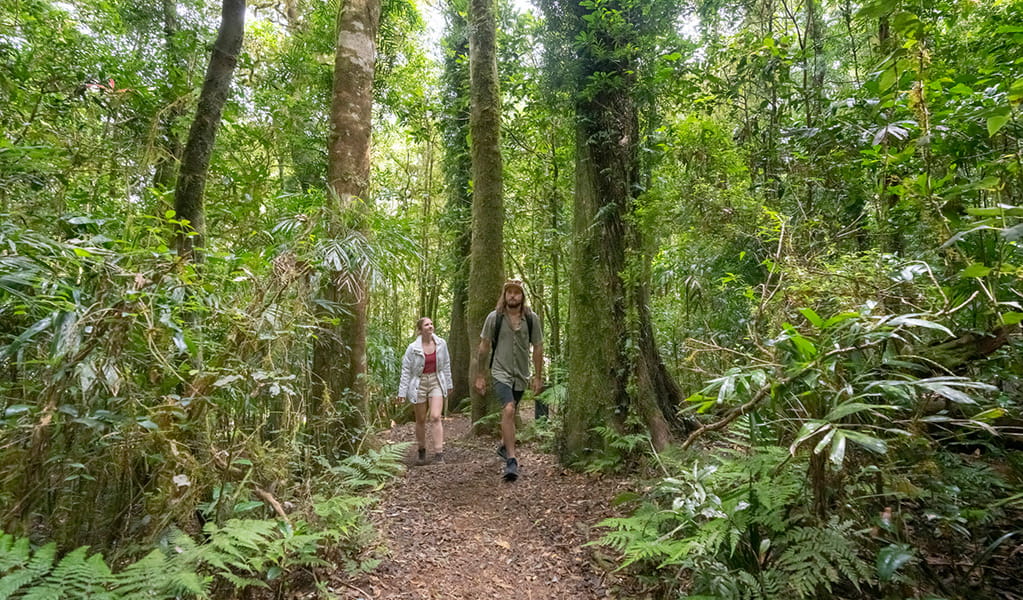
Planning a wellness retreat involves a lot more than picking a pretty location. Between venue logistics, guest capacity, catering, budget and program design, there’s a genuine checklist behind every retreat that looks effortless once guests arrive.
This guide pulls together the six questions most organisers work through — in order — so you can plan with fewer surprises, whether this is your first retreat or your fifteenth.
1. How to choose a wellness retreat venue: a checklist
Before comparing specific properties, it helps to know what you’re actually comparing. These are the criteria that matter most for a wellness-specific retreat, as opposed to a standard function venue:
- Setting and sense of place — does the environment itself support the outcome you’re promising guests (stillness, nature immersion, disconnection), or does it just host the program?
- Connectivity control — can guests genuinely switch off, or is there wifi and full phone signal throughout that undermines a digital-detox promise?
- Indoor/outdoor program space — is there a dedicated space for yoga, movement or group sessions that isn’t also the dining room or a repurposed lounge?
- Accommodation style and privacy — shared housing, private cabins, or a mix — and whether that matches your guest profile (corporate groups often want more privacy than yoga-teacher-training cohorts, for example)
- Exclusivity — is the venue exclusively yours for the retreat, or shared with other guests or events at the same time?
- Distance and accessibility from major transport hubs — close enough to be an easy sell, far enough to feel like a genuine departure
- On-site vs. bring-your-own facilitation — does the venue provide practitioners, or do you need to bring your own team, and does the venue support that either way?
- Weather and seasonal considerations — what does the venue actually look and feel like across different times of year, not just in the marketing photos?
|
A quick way to use this: score two or three venues you’re considering against each of these criteria before you get into pricing. It tends to clarify which venue actually fits the retreat you’re designing, rather than which one simply responded to your enquiry fastest.
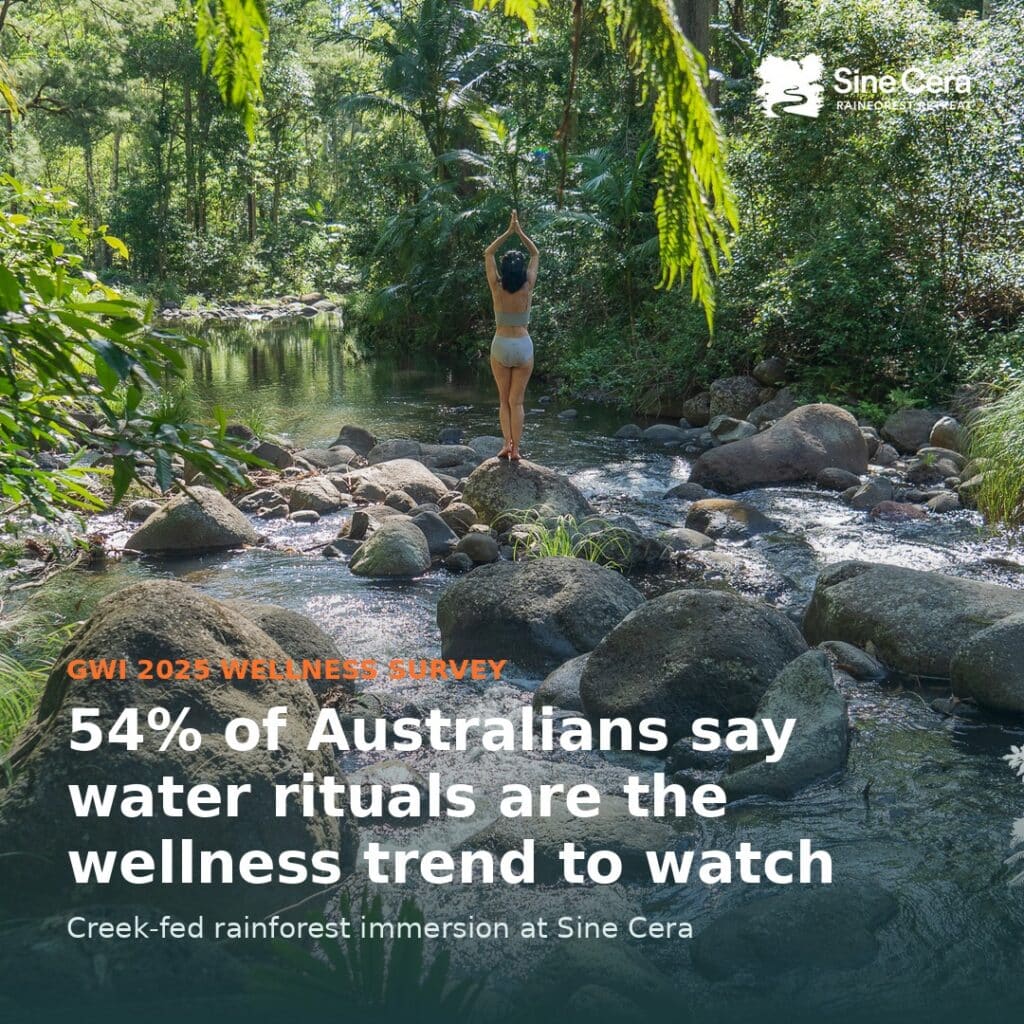
2. How many people can you host? A capacity and room configuration guide
Guest numbers shape almost every other decision — catering, facilitation ratios, programming, and pricing per head. Before locking in dates, work out:
- Total overnight capacity, and how it breaks down by room type (private rooms vs. shared, ensuite vs. shared bathroom)
- Ideal group size for your program type — a silent meditation retreat and a corporate offsite have very different optimal group sizes even at the same venue
- Flexible vs. fixed configurations — can rooms be reconfigured for couples, singles or small groups depending on the booking, or is the layout fixed?
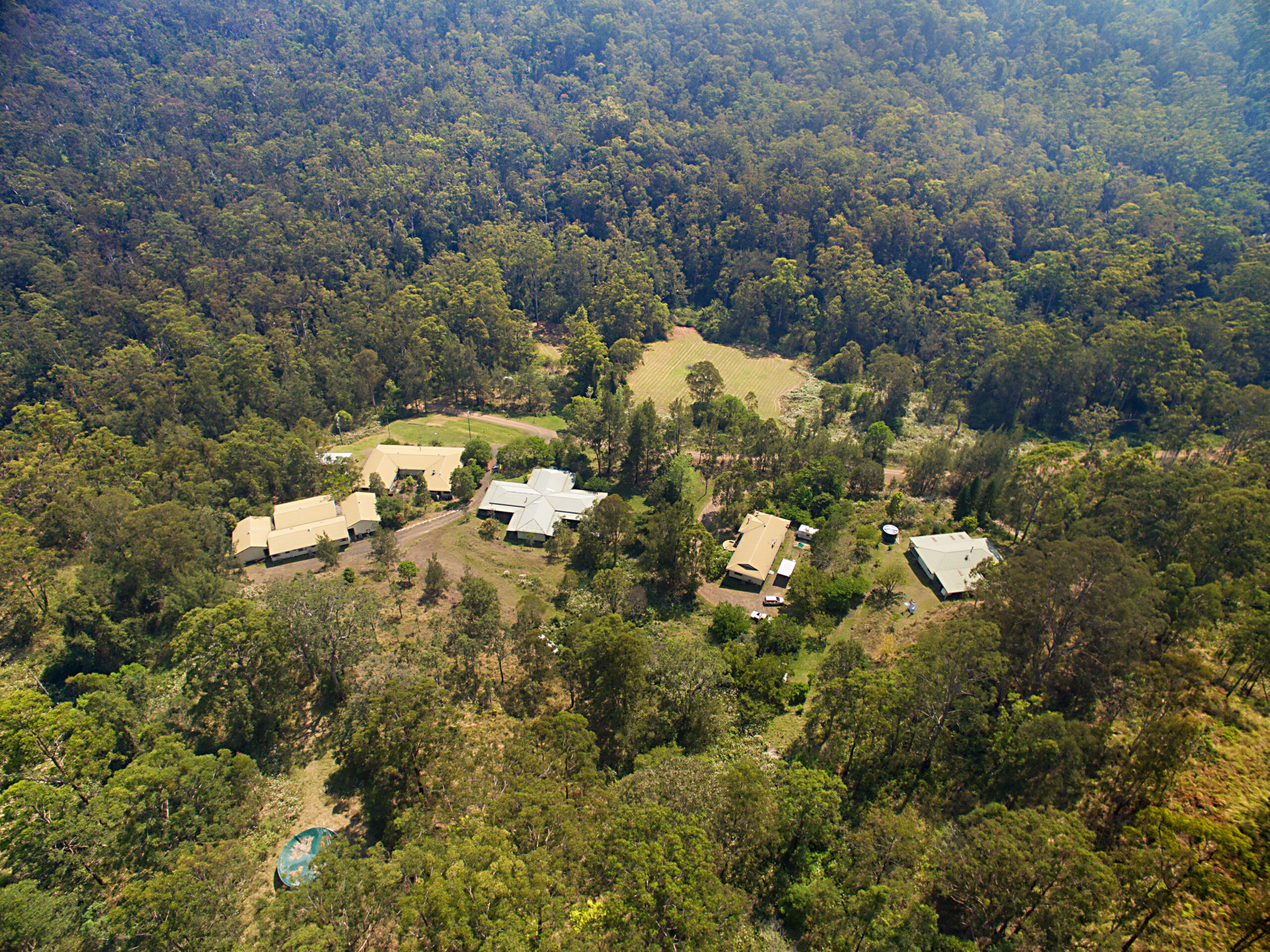
At Sine Cera, accommodation is split across a few distinct configurations, each suited to a different kind of group:
- Fahr House — 26 guests in 13 rooms, Fahr House is Sine Cera’s premium accommodation with twin share or double bedrooms, bathrooms, sauna, bath, access to a comfortable lounge and meeting area with TV, DVD, books and magazines – a perfect mixture of comfort, nature and affordability.
- The Chalet — 70 guests, 5 or 10 beds per room configuration including bathroom, The Chalet is Sine Cera’s no frills option for travellers and adventurers. Outside kitchen is available for use.
- Freeman Suite — Sleeps 6. Queen Bedroom: A peaceful retreat with a queen bed, lounge, kitchenette, private disability accessible bathroom, and a verandah for enjoying the breathtaking rainforest views.
- Bunk Room: Sleeps up to four in single bunk beds with its own private bathroom, making it ideal for families or small groups.
If you’re planning a retreat and unsure which configuration suits your numbers, this is one of the fastest questions to resolve on a call with the venue directly — it usually reshapes the budget and program in ways worth knowing early, rather than after a booking is half-confirmed.
3. What does a wellness retreat cost to run? A budgeting guide
Retreat budgets tend to have the same core line items, even though the amounts vary hugely by scale and location. Building a simple budget early avoids surprises later:
- Venue hire (per person or whole-venue rate — ask which basis pricing is quoted on)
- Accommodation (sometimes bundled with venue hire, sometimes separate)
- Catering (per person, per day — and whether dietary variations affect the rate)
- Facilitator or practitioner fees (yours to arrange, or included by the venue)
- Program materials and equipment (mats, props, workshop supplies)
- Marketing and guest acquisition costs (often underestimated — paid ads, content, email)
- Contingency (weather, cancellations, last-minute changes — a buffer of 10–15% is a reasonable starting point)
- Your own margin (what you need to charge above cost to make the retreat worth running)
A useful exercise: build the budget per guest at three different group sizes (your minimum viable number, your target number, and full capacity). It shows you exactly how sensitive your margin is to guest numbers, before you’ve committed to a date or opened bookings.
4. Catering and dietary requirements: what to ask your retreat venue
Food is one of the most visible parts of any wellness retreat, and one of the easiest things to get wrong if it’s not clarified early. Questions worth asking any venue before booking:
- Is catering fully included, partially included, or fully your responsibility to arrange?
- How does the venue handle common dietary requirements — vegetarian, vegan, gluten-free, FODMAP, allergies — and is there an additional cost?
- Can the kitchen or caterer accommodate a specific program philosophy (fully plant-based, intermittent fasting windows, a specific detox protocol) if your retreat is built around one?
- Is there flexibility for guests to notify dietary needs close to arrival, or does it need to be locked in weeks out?
- Where does food come from — local or regional suppliers, an on-site garden, or external delivery — and is that something you want to be able to tell guests about?
- Are meals served communally (which supports group bonding, common in wellness retreats), or is there flexibility for guests to eat at their own pace?
Getting clear answers here early prevents one of the most common retreat-day headaches: a dietary requirement surfacing on arrival day that the kitchen wasn’t briefed on.

5. A sample 3-day retreat itinerary template
Every retreat program is different, but most well-run 3-day retreats follow a similar underlying rhythm: an easing-in on day one, the most intensive programming in the middle, and a gentler close that sends guests home rather than dropping them back into ordinary life abruptly.
A simple structure to build from:
Day 1 — Arrival and settling
- Afternoon check-in, orientation, light welcome activity
- Early, easy first session (gentle movement or a grounding practice, not the most demanding session of the retreat)
- Communal dinner, minimal structured content afterward
Day 2 — Core program
- Full day of your primary programming (workshops, movement, facilitated sessions)
- Built-in free time or a nature-based activity mid-afternoon, not just back-to-back sessions
- Evening session that’s reflective rather than high-energy
Day 3 — Integration and departure
- Lighter morning session focused on integration or takeaways
- Time to pack and transition before departure
- Closing circle or similar send-off before guests leave
This is a starting skeleton, not a fixed formula — but it reflects the pacing most organisers land on after running a few retreats and learning where guests need breathing room.
6. Site visit checklist: 15 questions to ask before booking
However good a venue looks online, a site visit answers questions photos can’t. Before you go — or if you’re doing a virtual walkthrough — take this list:
- What does the space actually look and sound like at the times of day your program will run?
- Where exactly would each part of your program happen, room by room?
- What’s the mobile signal and wifi situation, honestly — not just what’s advertised?
- How far is it from the nearest town, hospital, and airport or major transport hub?
- What’s included in the quoted price, and what’s an add-on?
- Who is your point of contact during the retreat itself, and are they on-site?
- What happens in case of bad weather, especially for any outdoor programming?
- Can the kitchen show you a sample menu, and how far in advance do they need dietary information?
- What’s the check-in/check-out flexibility if your program needs an early start or late finish?
- Is there a dedicated space for private, one-on-one sessions if your program includes them?
- What’s the venue’s cancellation and rescheduling policy?
- Are there other guests or events on-site at the same time as your retreat?
- What insurance and duty-of-care arrangements does the venue have in place?
- How accessible is the venue and accommodation for guests with mobility needs?
- Can they put you in touch with a past organiser who’s run a similar retreat there?
If a venue can answer all fifteen clearly and specifically, that’s usually a strong signal. Vague or evasive answers to two or three of these are worth following up before you commit.
Planning your next retreat at Sine Cera
If you’re working through this list for a retreat in the Northern Rivers or Gold Coast Hinterland region, Sine Cera is built specifically for this kind of program — rainforest setting, genuine disconnection, and accommodation configurations suited to groups from small facilitator-led retreats through to larger multi-day programs. Get in touch to talk through your numbers and dates, or see the Health and Wellness Retreats page for more on the venue itself.