If you’re planning a wellness retreat in Australia right now, the timing is good — better than good, actually. Australia has just been named the world’s number one wellness travel destination, ahead of long-standing favourites like Bali, Japan and New Zealand. For anyone organising retreats, that’s not just a nice headline. It’s a signal about where demand is heading, what guests are looking for, and how to shape a program that meets them there.
Here’s what the latest data tells us, and what it means in practical terms for the retreat you’re planning.
Australia is now the world’s top wellness destination
The Global Wellness Institute’s 2025 Wellness Survey ranked Australia above every other country in the world for wellness travel appeal, ahead of New Zealand, Bali, Japan and the South Pacific. It’s the kind of shift that doesn’t happen overnight — it reflects years of growing interest in nature-based healing, outdoor experiences, and destinations that offer genuine space to slow down, rather than a resort with a spa attached.
For organisers, this matters because it changes the competitive picture. You’re no longer trying to convince people that a wellness break abroad is more appealing than one at home. Increasingly, the reverse is true.
Demand is real, not a niche interest
According to the same survey, 56% of Australian adults say they plan to take a wellness-focused trip in the next twelve months. That’s not a small, dedicated wellness subculture — that’s a majority of the adult population actively looking for this kind of experience.
What this means for you: if you’ve been treating wellness retreats as a specialty offering for a narrow audience, the market has moved past that. The people you’re marketing to are less likely to need convincing that a retreat is worthwhile, and more likely to be comparing several options before they book. Clear positioning and a strong sense of place matter more than ever.
Water and nature-based experiences are what people want most
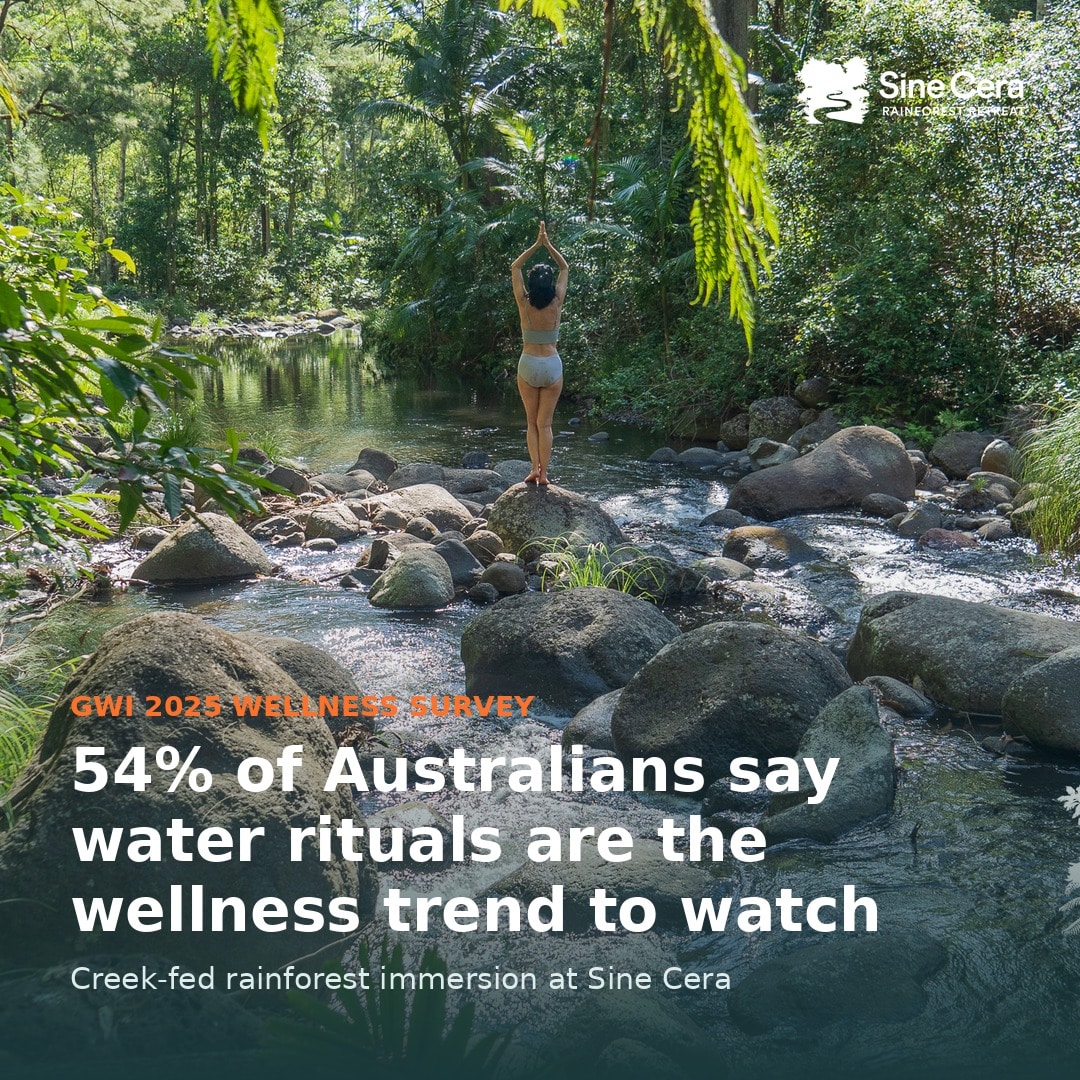
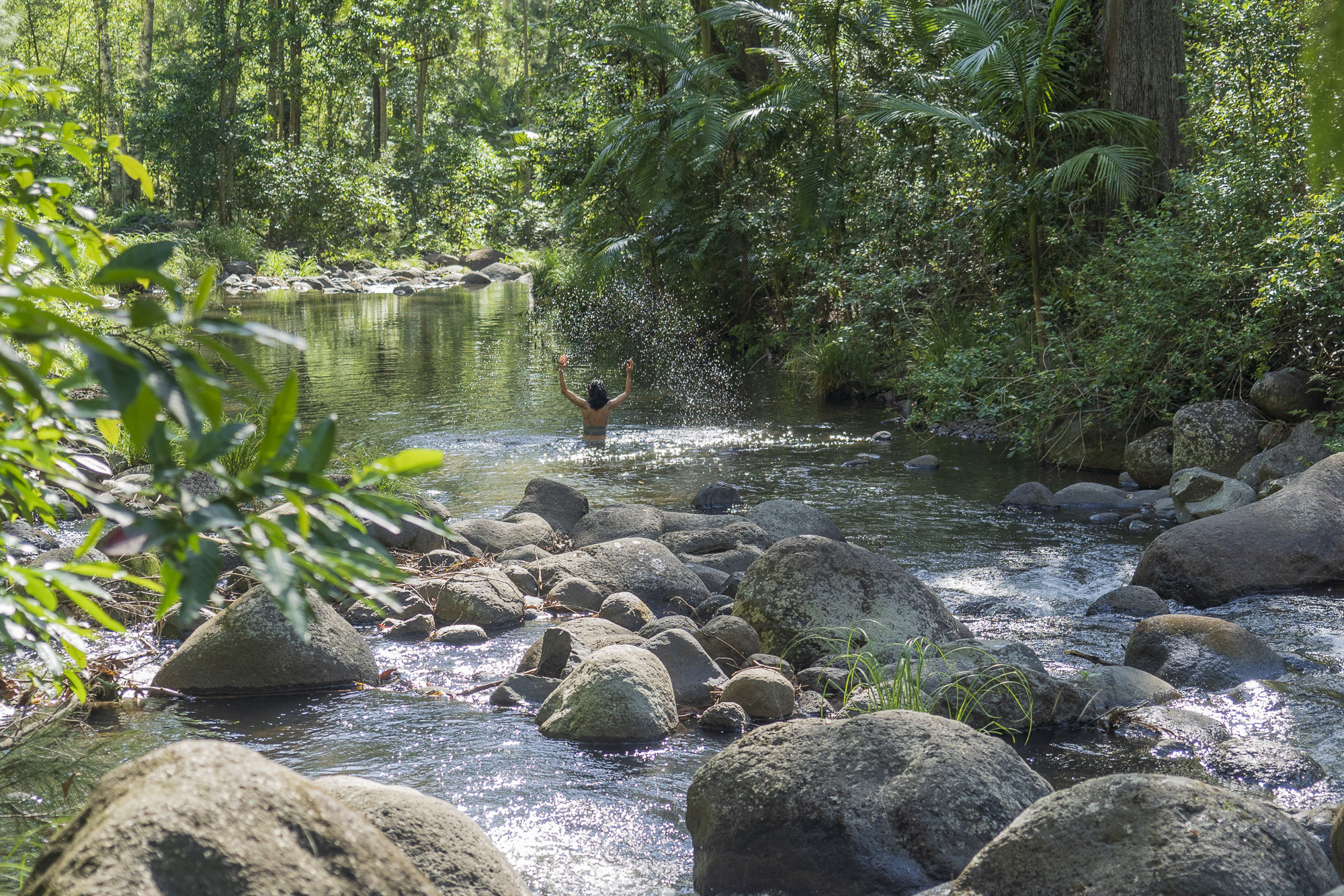
The 2025 survey found that bathing rituals — wild swimming, ice plunges, thermal springs, natural water immersion — top the list of wellness trends Australians are most drawn to, with 54% of respondents interested. Nature-based wellness experiences and animal-assisted therapy are also on the rise, alongside more established interests like sleep optimisation and gut health.
What this means for you: the trend isn’t toward more clinical, technology-driven wellness. It’s toward the opposite — natural settings, water, and unstructured time outdoors. A creek-side rainforest retreat isn’t a compromise on “proper” wellness infrastructure; it’s increasingly what guests are actively seeking out.
The wellness economy is bigger than people assume
It’s worth having a sense of scale here too. Globally, the wellness economy was valued at more than $6.3 trillion in 2023 — larger than the global pharmaceutical industry, and up 25% since before the pandemic. Wellness tourism specifically has recovered strongly since 2020 and is now one of the fastest-growing segments within it, driven by exactly the shift the Australian data shows: people prioritising nature, mental health and genuine disconnection over generic luxury.
Estimates of the Australian wellness tourism market’s precise dollar value vary quite a bit between research firms, depending on what they count and how — so we won’t repeat a single number here as gospel. But every source agrees on the direction: strong, sustained growth, well into the double digits annually.
What this means for how you plan your next retreat
Pulling these numbers together, a few practical takeaways stand out for organisers:
- Demand supports more frequent, smaller-format retreats, not just one flagship event a year. With over half of Australian adults considering a wellness trip, there’s room for shorter, more targeted programs alongside longer signature retreats.
- Water and nature access are now selling points, not backdrops. If your venue has a creek, waterhole, or natural swimming spot, that’s not incidental scenery — it’s directly aligned with what guests say they want most.
- Digital detox and genuine disconnection remain a strong differentiator, especially against city-adjacent or resort-style wellness options that can’t fully remove guests from everyday distractions.
- Guests are increasingly comparing options, so a venue and program that can clearly show why it fits a wellness brief — setting, structure, facilitation space — will convert better than one relying on wellness as a vague label.
Where Sine Cera fits in
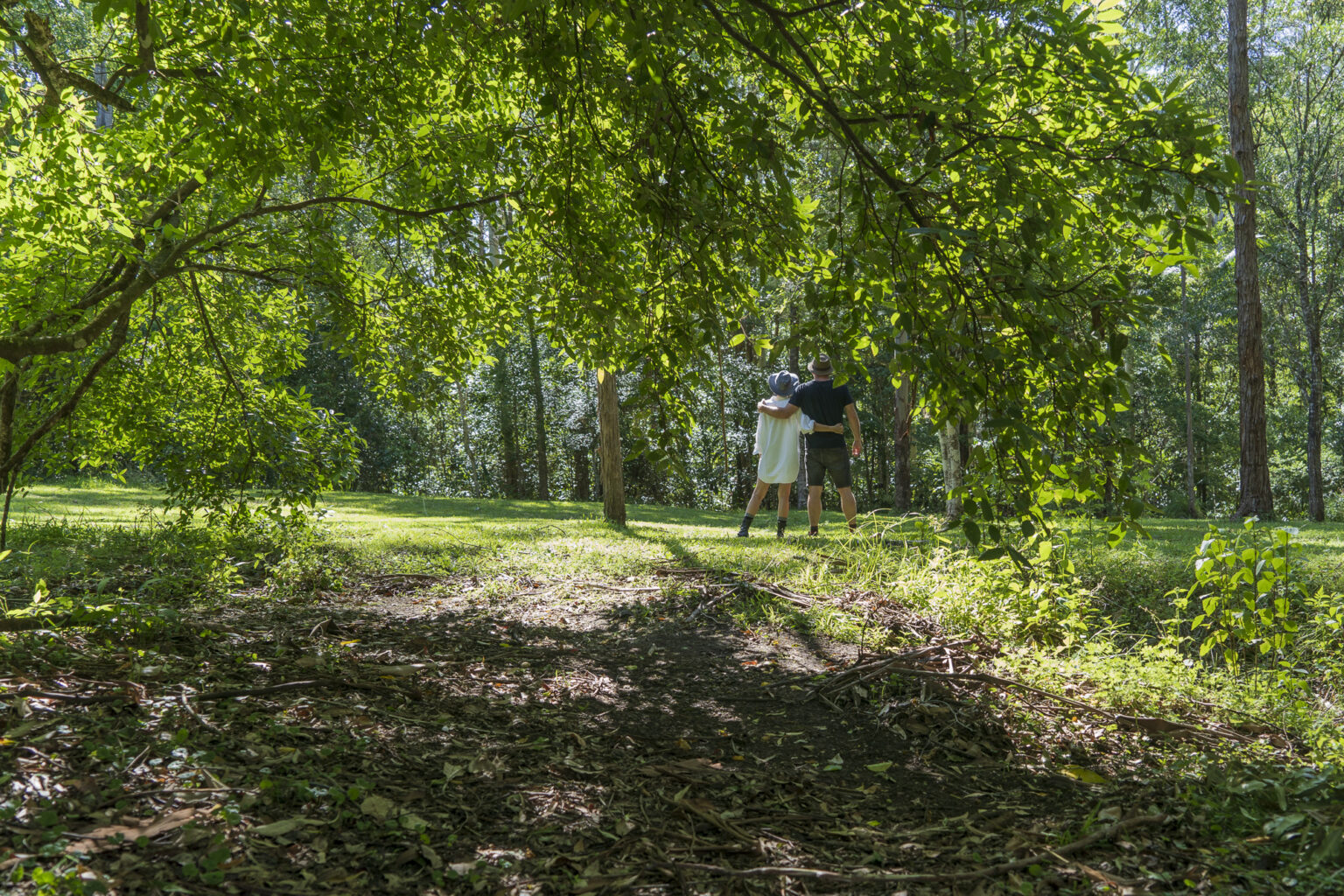
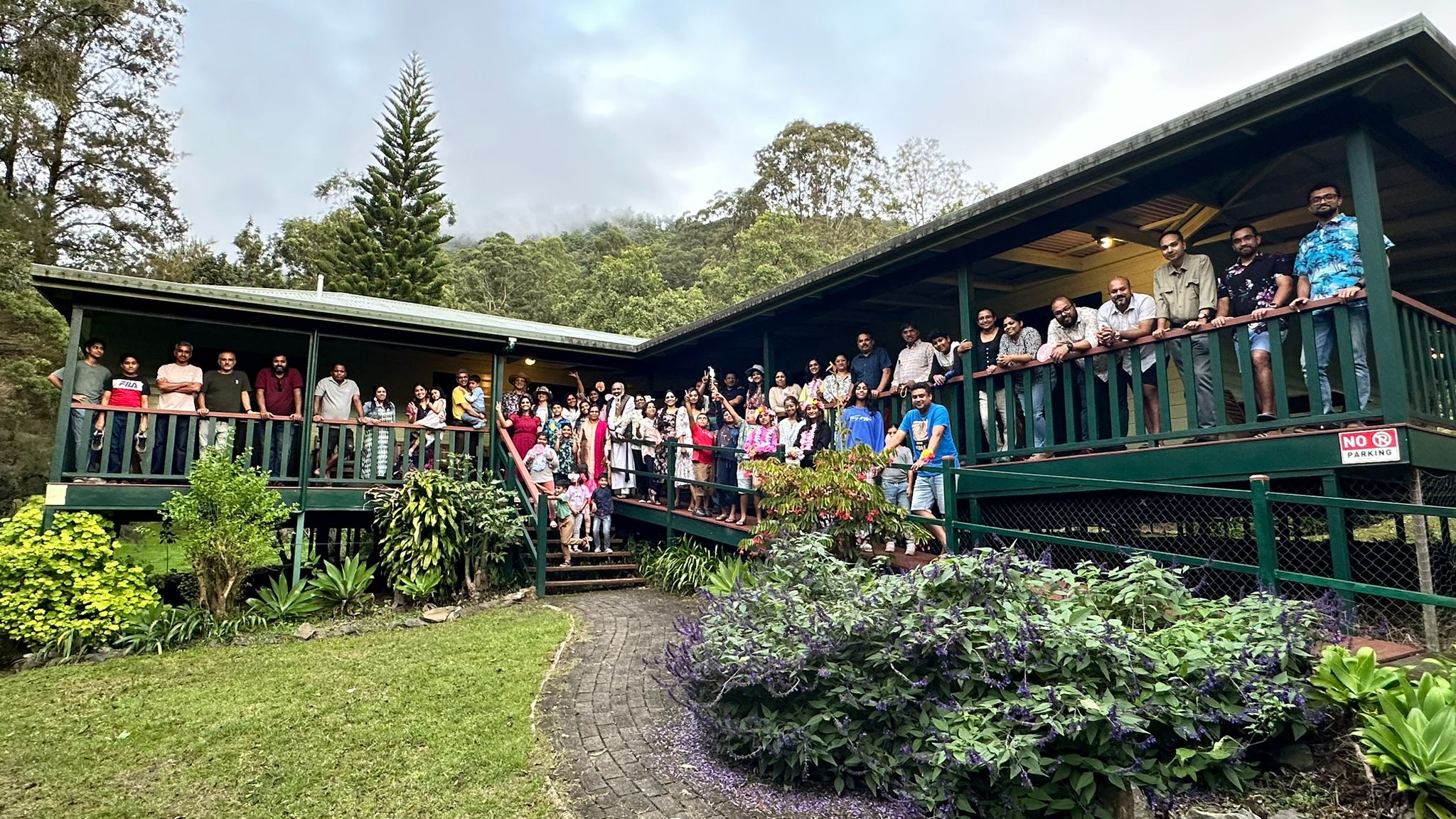
Sine Cera sits inside the exact trend this data describes: a 200-acre rainforest setting with a natural creek, well away from mobile signal and city noise, purpose-built for retreats rather than adapted from a standard function venue. If you’re planning a wellness retreat and want a setting that matches what guests are actively telling researchers they want, get in touch or take a look at our Health and Wellness Retreats page.